
Quick Answer: Dentist or Hospital?
A dental emergency is a mouth or tooth problem that may cause serious harm or lasting damage if care is delayed. The Royal College of Dental Surgeons of Ontario notes that urgency depends on professional judgment.

Call a Dentist promptly for severe or worsening tooth pain, facial or gum swelling, a knocked-out adult tooth, a painful fracture, dental trauma, or bleeding that is hard to control.
Call 911 or go to a hospital emergency department for trouble breathing or swallowing, bleeding that will not stop, major face or jaw trauma, loss of consciousness, or other signs of serious illness.
If you are unsure, describe the symptoms by phone. The dental team can help identify whether you need a dental visit, emergency medical care, or a less urgent appointment.
Signs That Need Prompt Dental Assessment
The label matters less than the symptoms, their severity, and how quickly they are changing. Pain or damage that seems manageable can still need prompt advice.
- ToothacheSevere tooth pain, pain that is getting worse, or pain that interrupts sleep or normal activities.
- SwellingSwelling of the gum, face, or jaw, especially with fever, a bad taste, drainage, or feeling unwell.
- Tooth InjuryA permanent tooth that has been knocked out, pushed out of place, or loosened by an injury.
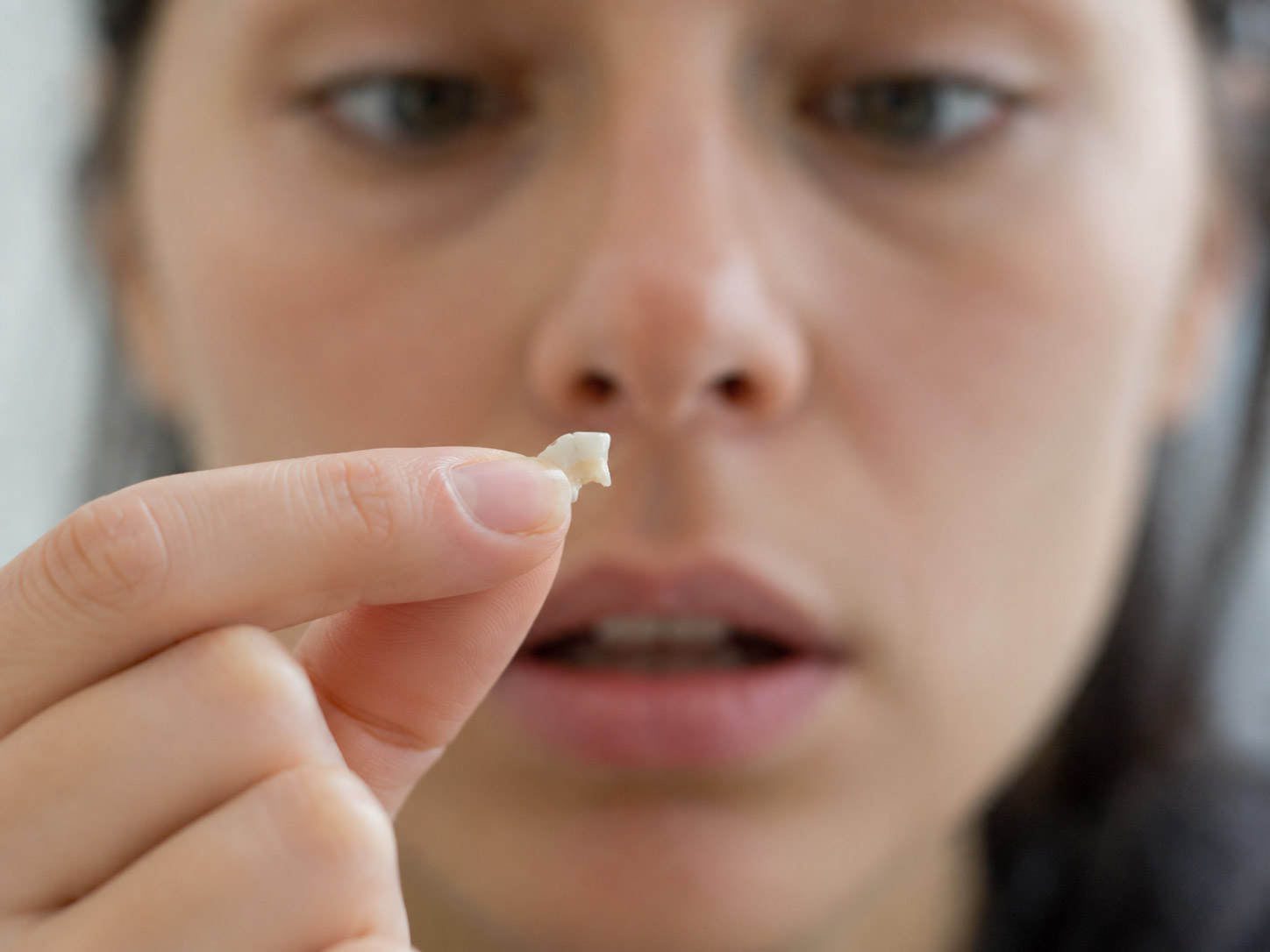
- Broken ToothA broken or cracked tooth with pain, bleeding, a large missing piece, or a sharp edge cutting the mouth.
- Lost Filling or CrownA lost filling or crown with significant pain, sensitivity, or exposed tooth structure.
- BleedingBleeding after an injury or dental procedure that does not settle with firm pressure.
Young children, older adults, and people with complex health conditions may need more cautious guidance. Mention medical conditions, medications, and recent treatment when you call.
What to Do for Common Dental Emergencies
The right first step depends on what happened. The Canadian Dental Association's emergency guidance supports acting quickly and avoiding home remedies that can cause more harm.
Severe Toothache
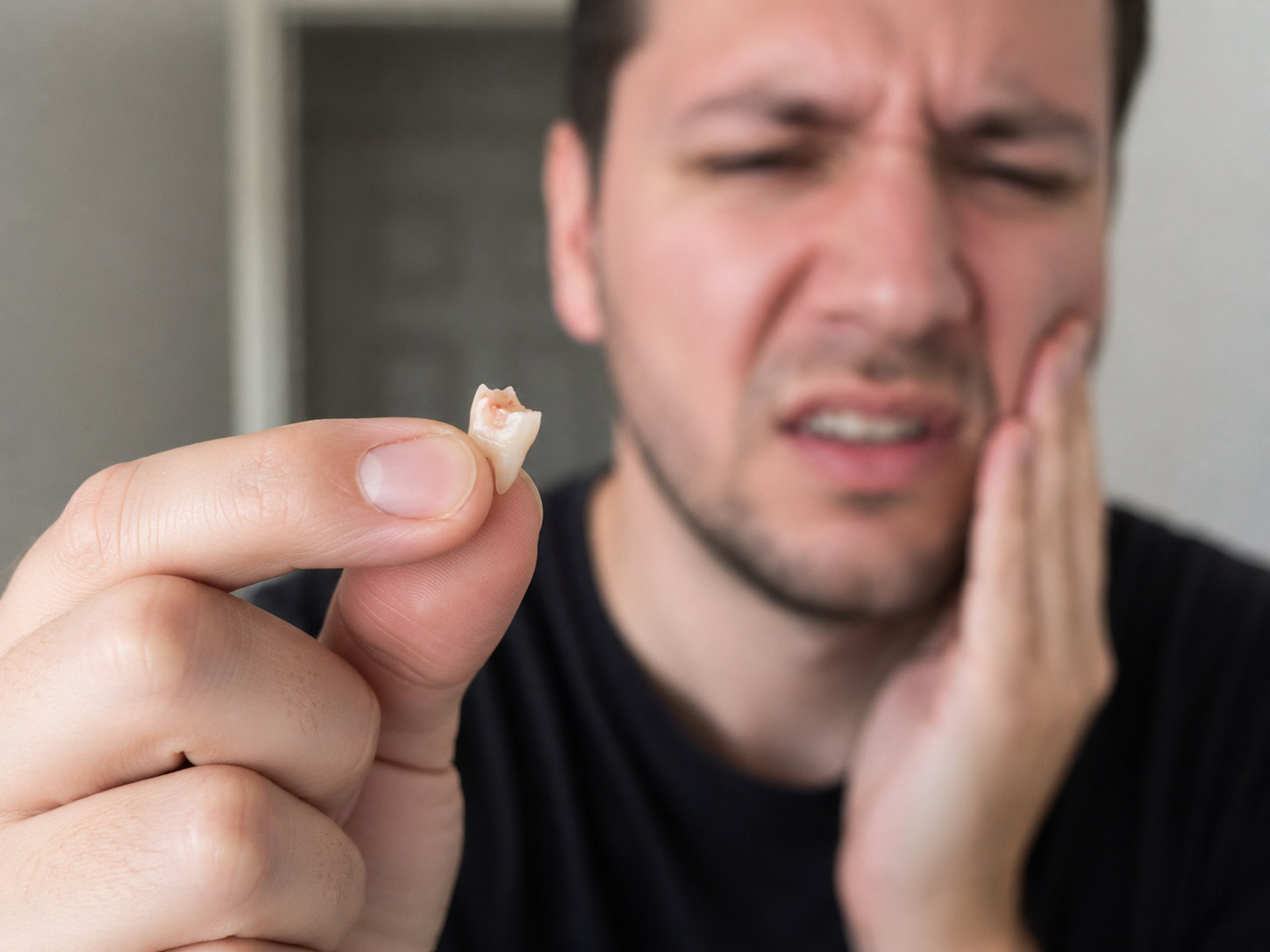
Call a dentist and explain where the pain is, when it began, and what makes it better or worse. A cold pack outside the cheek may help with swelling. Do not put heat on the area.
If you use an over-the-counter pain medicine, follow the label and advice from a pharmacist or clinician who knows your health history. Medicine can ease symptoms, but it does not identify the cause.
Facial or Gum Swelling
Swelling may be related to infection, irritation, trauma, or another cause. Contact a dentist promptly. Do not wait for the swelling to become severe before asking for guidance.
If swelling affects breathing or swallowing, spreads toward the eye or neck, or comes with serious illness, call 911 or seek hospital care.
Knocked-Out Permanent Tooth
Handle the tooth by the white crown, not the root. If it is dirty, rinse it briefly without scrubbing. Do not remove attached tissue or let the root dry out.
If it goes back into the socket easily, hold it there without force. Otherwise, place it in cold milk and get dental care immediately. Do not reinsert a baby tooth.
Broken or Chipped Tooth
Save any pieces, rinse the mouth gently, and use a cold pack outside the face if there is swelling. Avoid chewing on that side. Sharp edges, pain, or a large break need prompt assessment.
Lost Filling or Crown
Keep a dislodged crown and bring it with you. Sugarless gum can cover a lost filling for a short time. Do not use household glue or force a crown back onto the tooth.
Bleeding or a Soft Tissue Injury
Apply steady pressure with clean gauze or a clean cloth. A cold pack outside the mouth may reduce swelling. If bleeding will not stop, seek hospital care.
What Not to Do
Quick action helps, but improvised treatment can burn tissue, delay proper care, or damage a tooth that might otherwise be saved.
- Do not place aspirin or another pill directly against a tooth or gum.
- Do not apply heat to facial swelling.
- Do not use a sharp object to remove something caught between teeth.
- Do not scrub or handle the root of a knocked-out permanent tooth.
- Do not use household glue on a crown or broken tooth.
- Do not keep taking more medicine than the label directs.
Antibiotics are not a routine cure for tooth pain. CDA Choosing Wisely guidance explains that dental treatment usually needs to address the cause.
A dentist may prescribe antibiotics when there are signs of spreading or systemic infection. The decision depends on an examination, health history, and clinical findings.
What Happens When You Call a Dentist
The person answering may ask what happened, where it hurts, when symptoms began, whether they are changing, and whether there is swelling, fever, bleeding, trauma, or trouble breathing.
Share relevant health conditions, allergies, medications, pregnancy, recent dental work, and anything you have already taken for pain. This information helps the team choose a safer next step.
The recommended timing depends on the symptoms, clinical risk, and appointment availability. Calling first lets the office prepare, explain what to bring, and direct you elsewhere if medical care is safer.
Worried about a dental problem? You’re welcome to call Tooth Room Dental in Newmarket. Tell us what’s happening, and our team can help you understand the next step.
What an Emergency Dental Visit May Include
The dentist will review your symptoms and medical history, examine the area, and use X-rays or other diagnostic information when appropriate.
The visit may focus on controlling pain, protecting an injured tooth, managing bleeding, draining an infection, placing a temporary repair, or planning the treatment that addresses the cause.
Definitive care might involve a filling, crown, root canal treatment, extraction, follow-up visit, or referral. The right option depends on the diagnosis and whether the tooth can be predictably restored.
Not every problem can or should be completed in one appointment. You should receive an explanation of what was found, what was done, warning signs to watch for, and what needs to happen next.
Frequently Asked Questions
Can I go to a hospital emergency department for tooth pain?
A hospital can assess serious swelling, uncontrolled bleeding, major facial trauma, or other medical danger. Most tooth pain still needs dental diagnosis and treatment, so call a dentist when it is safe to do so.
Is a lost filling or crown a dental emergency?
It may not always require immediate treatment, but pain, sharp edges, or exposed tooth structure can make it more urgent. Keep a lost crown, avoid chewing on the tooth, and call for timing advice.
What if I am not sure whether my problem is urgent?
Call and describe the symptoms, when they began, and whether they are getting worse. Mention swelling, fever, bleeding, trauma, and health conditions. The team can help direct your next step.
Need Help Deciding What to Do Next?
Book online or call Tooth Room Dental in Newmarket. Call 911 for trouble breathing, trouble swallowing, uncontrolled bleeding, or major facial trauma.